
The Vision: RELIABLE ACCESS. LONGER-LASTING HARDWARE.
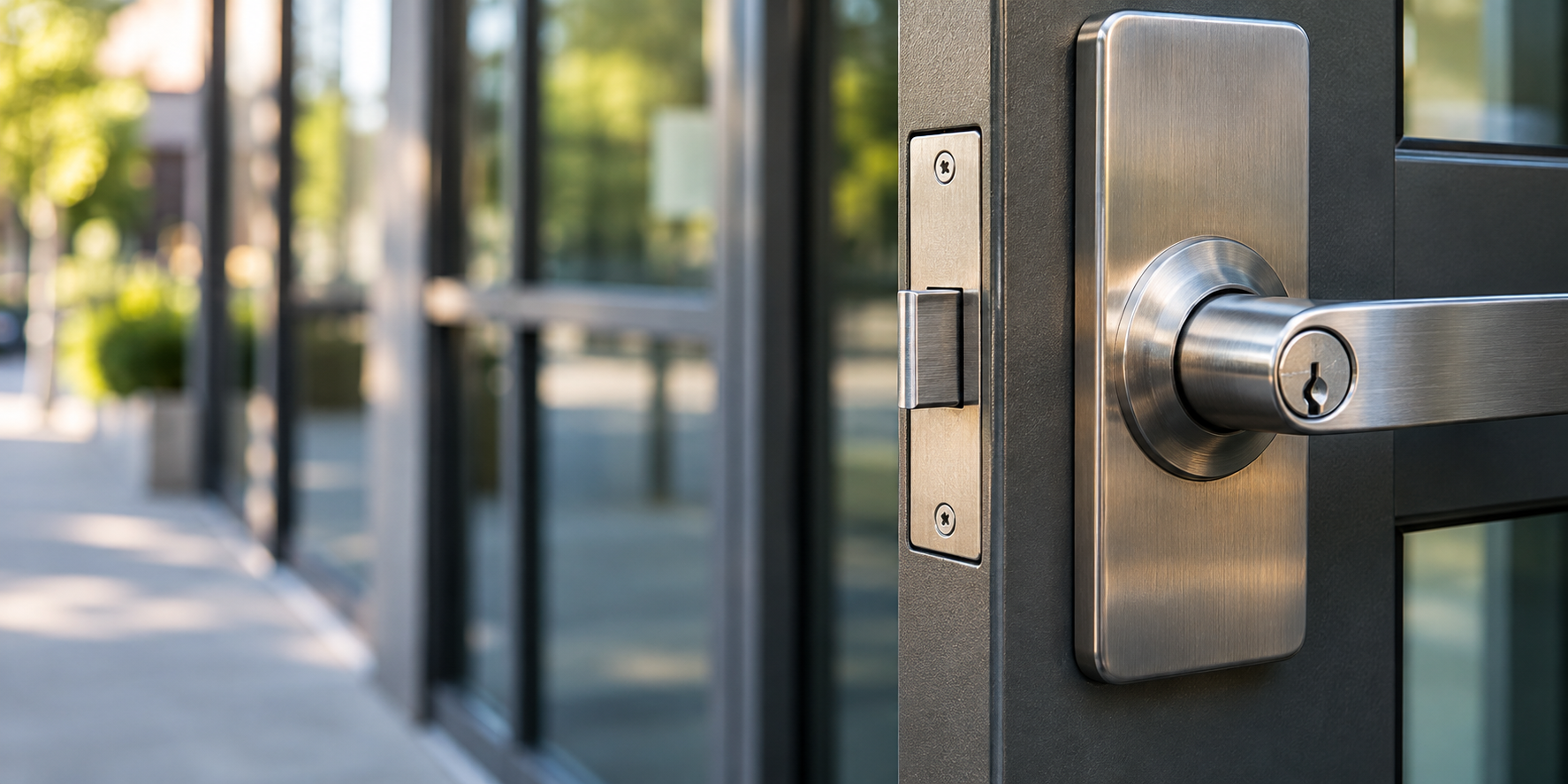
Doors and locking hardware are among the most frequently used components of a building, yet they are often overlooked until something stops working. From main entrances and parking garages to stairwells, offices, and shared spaces, reliable access depends on hardware that functions properly every day.
Preventative locksmith maintenance helps extend the life of these systems, reduce unexpected failures, and identify potential problems before they become costly repairs or security concerns.
To explore why routine maintenance matters, we spoke with Region 6 Lead Locksmith Reyes Galvan. With nearly a decade of hands-on experience, Reyes understands how everyday wear, environmental conditions, and overlooked warning signs can affect the performance of mechanical and electronic locking hardware.
According to Reyes, the goal of preventative maintenance is straightforward: keep hardware operating reliably for as long as possible rather than waiting for something to fail.
The Challenge: WHEN SMALL PROBLEMS GO UNNOTICED
Locking hardware rarely receives much attention when it's working correctly. However, minor changes in how a door or lock operates can be early indicators of a developing problem.
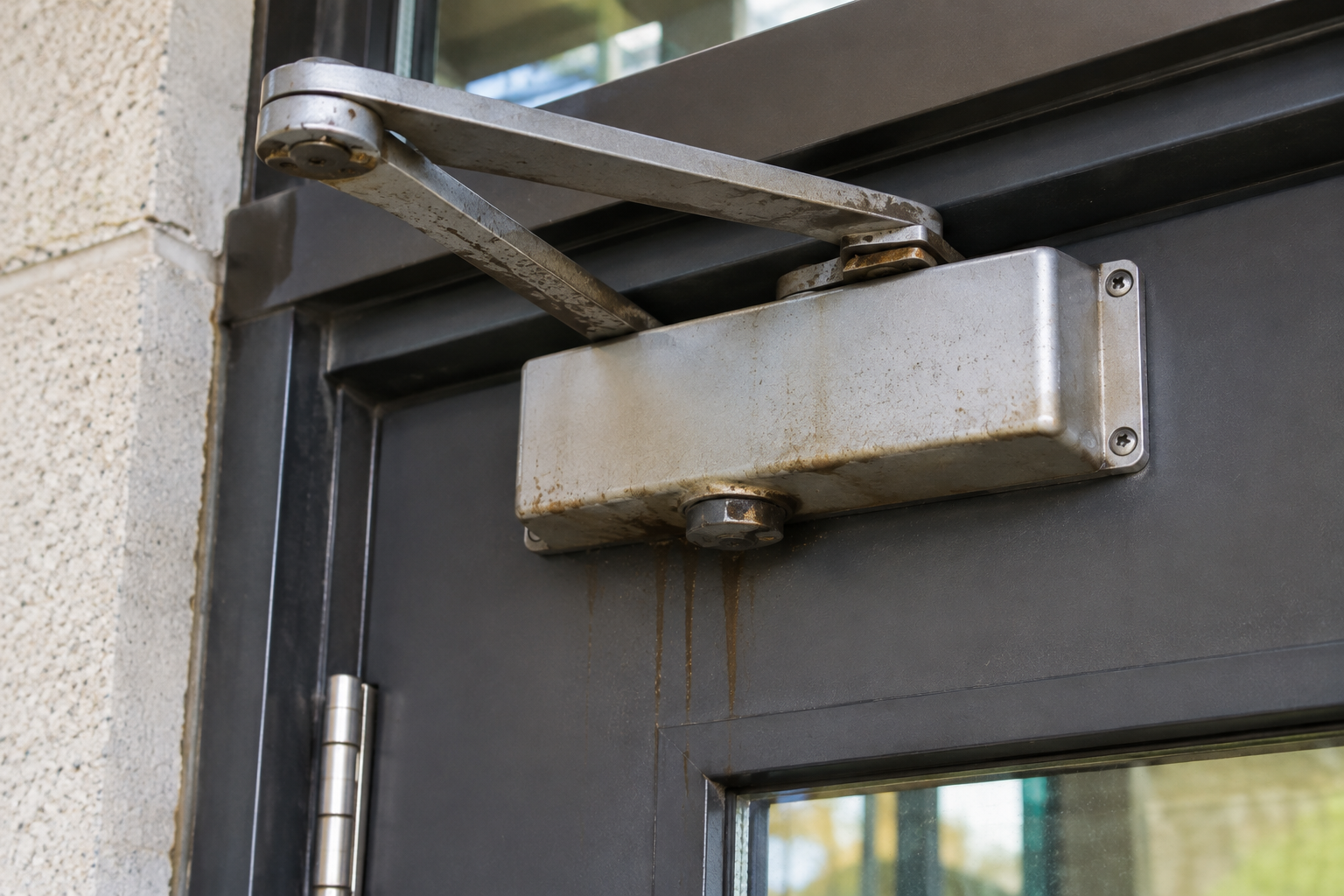
A key that becomes increasingly difficult to turn or remove may indicate that a lock needs attention. Door closers that begin leaking fluid, exit devices that no longer operate smoothly, and loose or unresponsive handles can also signal wear or damage.
Exterior doors face additional challenges, particularly in the Pacific Northwest, where moisture and exposure to the elements can contribute to corrosion. Reyes notes that discoloration or visible corrosion around exterior locking hardware is often an indication that maintenance is needed.
Electronic locks introduce another set of warning signs. Delayed responses, inconsistent credential recognition, and low-battery indicators can all suggest that a lock requires attention.
These issues may seem minor at first, but ignoring them can lead to unexpected lockouts, damaged hardware, and more extensive repairs.
Reyes shared an example of a property where an electronic lock had been showing signs of trouble for weeks. The lock became increasingly inconsistent when responding to credentials and eventually began displaying low-battery warnings.
When those warnings went unaddressed, the lock ultimately stopped providing access. What began as a manageable maintenance issue escalated into an after-hours lockout, additional service calls, and damage to the door and hardware during an unsuccessful attempt to gain entry.
The situation illustrates how recognizing and addressing early warning signs can prevent a relatively small issue from becoming a much larger disruption.
THE SOLUTION: A PROACTIVE APPROACH TO LOCKSMITH MAINTENANCE
Preventative maintenance begins with regularly inspecting locking hardware and addressing signs of wear before they affect everyday operation.
Reyes recommends at least an annual checkup for most door and locking hardware, with more frequent attention depending on usage and environmental conditions.
High-traffic entrances, for example, experience significantly more wear than doors used only occasionally. The type of hardware, its location, and how frequently it operates should all factor into a property's maintenance schedule.
Inspecting Mechanical Hardware
Routine inspections can help identify developing problems with door closers, exit devices, levers, mortise locks, deadbolts, and automatic door operators.
Depending on the condition of the hardware, maintenance may involve tightening loose components, making adjustments, cleaning debris from moving parts, or addressing worn and damaged equipment.
Reyes emphasizes that small changes in how hardware operates should not be ignored. A key that begins sticking or an exit device that becomes difficult to operate may only need a relatively minor adjustment when the problem is first noticed.
Waiting until the hardware stops functioning can limit repair options and increase the likelihood of replacement.
Maintaining Electronic Locks
Electronic locking systems require attention beyond their mechanical components.
Battery-powered locks need regular battery checks and replacements to maintain reliable operation. Reyes notes that low-battery warnings are among the most common issues that property teams overlook.
Many electronic locking systems also provide diagnostic information through audit trails. Depending on the system, these records can reveal battery voltage, motor irregularities, and unsuccessful access attempts that may indicate developing hardware problems.
Reviewing this information allows maintenance teams to identify concerns before they result in a complete failure.
Software and firmware updates may also be part of an electronic lock's maintenance needs, depending on the system and manufacturer recommendations.
Avoiding Common Maintenance Mistakes
Using the wrong products or attempting repeated temporary fixes can sometimes make hardware problems worse.
Reyes cautions against over-lubricating locks or applying products that are not appropriate for the hardware. Excess lubricant can attract debris, interfere with internal components, and contribute to premature wear.
Rather than repeatedly applying lubricant when a lock becomes difficult to operate, property teams should identify the underlying cause and use maintenance methods appropriate for that specific hardware.
Supporting Property Maintenance Teams
Preventative maintenance also involves helping building staff understand the systems they manage.
When installing electronic locking hardware, Reyes works directly with maintenance personnel to explain routine care, battery replacement procedures, and common troubleshooting steps.
This training helps property teams recognize issues early and handle appropriate maintenance tasks while knowing when professional service is needed.
THE RESULT: FEWER DISRUPTIONS. MORE RELIABLE SECURITY.
A proactive approach to locksmith maintenance can help properties avoid unexpected access problems, extend hardware life, and reduce the need for emergency repairs.
For building owners and property managers, the benefits extend beyond repair costs. Properly functioning doors and locks support daily operations, help maintain secure access, and reduce disruptions for residents, employees, and visitors.
Routine inspections also provide opportunities to address minor concerns before they affect other components or require more extensive work.
Reyes's biggest recommendation is for property teams to pay closer attention to their locking hardware. Changes in how a lock feels, sounds, or responds are often worth investigating rather than dismissing as normal wear.
For electronic systems, that includes monitoring battery conditions and reviewing available diagnostic information instead of waiting for a lock to stop working.
Ultimately, preventative locksmith maintenance is about protecting the investment already made in a building's security hardware while keeping entrances and shared spaces functioning reliably.
A little attention today can help prevent a much larger problem tomorrow.
Meet the expert: Reyes Galvan, Lead locksmith

With nearly a decade of hands-on experience, Reyes Galvan brings extensive knowledge of mechanical locking hardware, electronic locks, and access control systems to Region 6 Systems Integration.
As Lead Locksmith, Reyes oversees locksmithing operations and works with clients to identify hardware issues, maintain reliable security systems, and develop practical solutions for their properties. His background includes commercial locksmithing, system programming, and specialized industry certifications.
Reyes believes that paying attention to small warning signs and addressing maintenance needs early can make a significant difference in the longevity and reliability of door and locking hardware.
